
ECOSYSTEM
VAULT
Private knowledge, collected carefully and made useful over time.
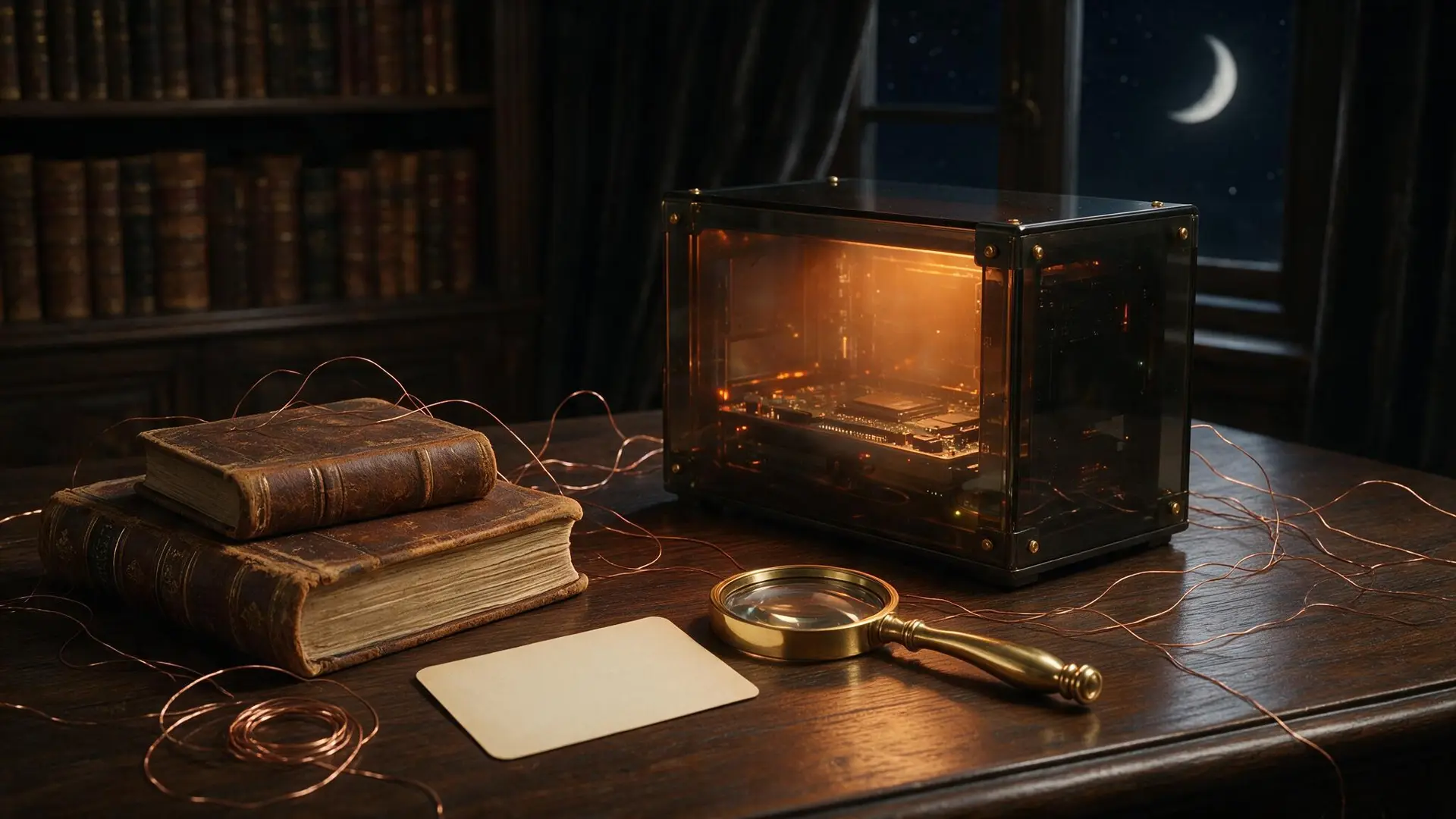
CODEX is the vault agent.
CODEX AT WORK
Keep what you learn

CODEX
Vault Agent
Private Knowledge Systems
CODEX collects links, documents, images, audio, video, and notes into a private index. It can organise saved material, transcribe spoken content, tag metadata, and help bring earlier research back into view.
It also supports steady study. Use your saved material to build topic notes, review key ideas, and draft tutorials from sources you have chosen to keep.
- Media capture: Save links, posts, images, videos, documents, and notes in one private collection.
- Transcription: Turn supported audio and video into searchable text.
- Organisation: Add tags, categories, and useful context to saved material.
- Learning records: Track saved items, study topics, and review notes over time.
- Tutorial drafting: Turn personal notes and selected sources into structured learning guides.
- Private storage: Connect a self-hosted Nextcloud vault for file storage and sync.
CODEX helps organise information you choose to save. Backups, access control, and source checking remain important parts of maintaining a useful archive.
PRIVATE INDEX
Build the vault
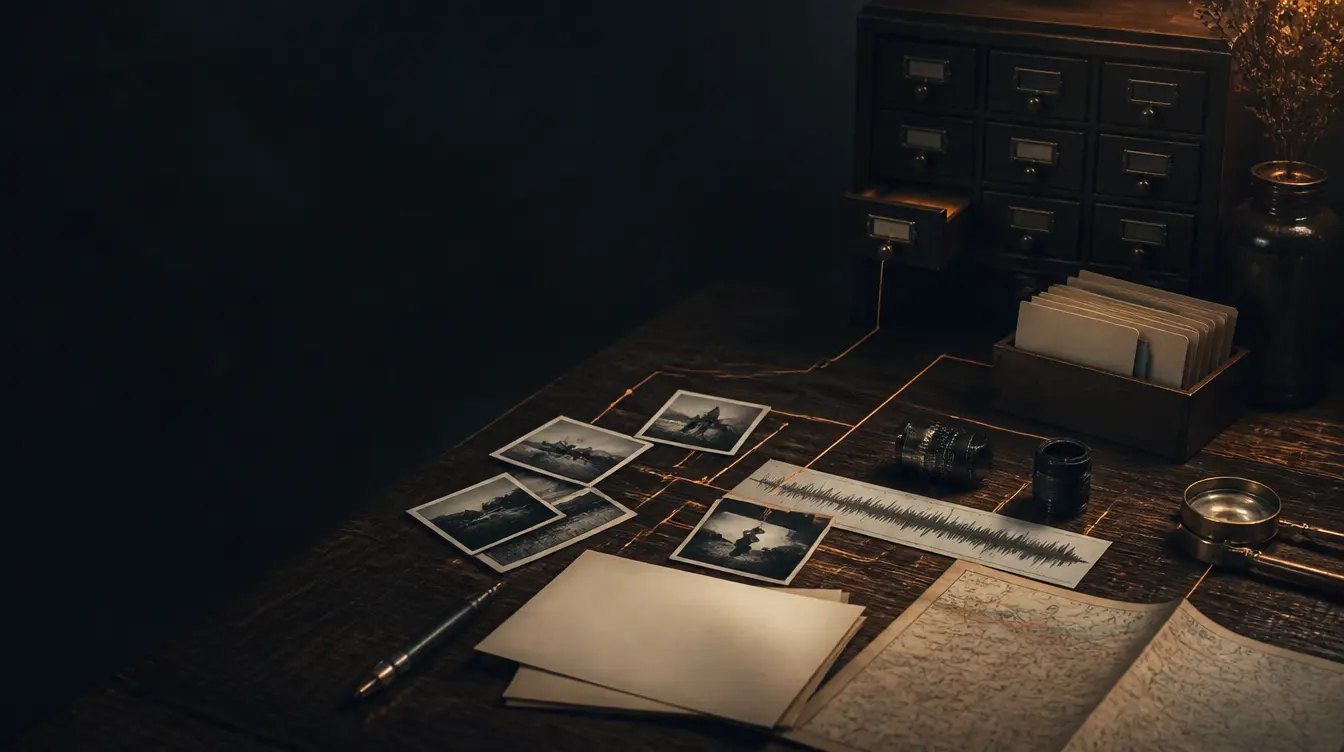
A useful archive starts with a simple habit: save material deliberately, keep it in a place you control, and make it possible to return to it later.
Nextcloud
Self-hosted file storage, sync, calendars, contacts, and collaboration tools that can run on infrastructure you control.
Karakeep
A self-hostable application for saving links, notes, and images with tagging and full-text search.
Whisper
An open speech-to-text model that can be run locally for transcription work.

ONE QUESTION AT A TIME
Study with direction
Choose one question, follow it with care, and keep a record of what changes your understanding. A small finished course and a carefully read book can be more useful than an endless list of saved tabs.
OPEN COURSES
Learn from complete courses
Free course material can provide structure when you want more than isolated videos or articles.
MIT OpenCourseWare
Open course materials from MIT, including lectures, notes, assignments, and exams where available.
Khan Academy
Free learning resources across mathematics, science, computing, and other subjects.
freeCodeCamp
Free programming lessons, practice projects, and developer learning paths.
Yale Open Courses
Free Yale lectures and course materials across selected subjects.
BOOKS AND TEXTS
Build a reading shelf
Use public collections and lending libraries to find durable texts worth returning to.
Internet Archive
A digital library of books, recordings, web pages, and other cultural material.
Project Gutenberg
A library of public-domain books available in multiple digital formats.
Standard Ebooks
Carefully formatted public-domain ebooks for modern devices.
Open Library
A catalog and lending platform for books and digital reading.
LibriVox
Volunteer-read public-domain audiobooks.
OPEN COLLECTIONS
Learn through media and making
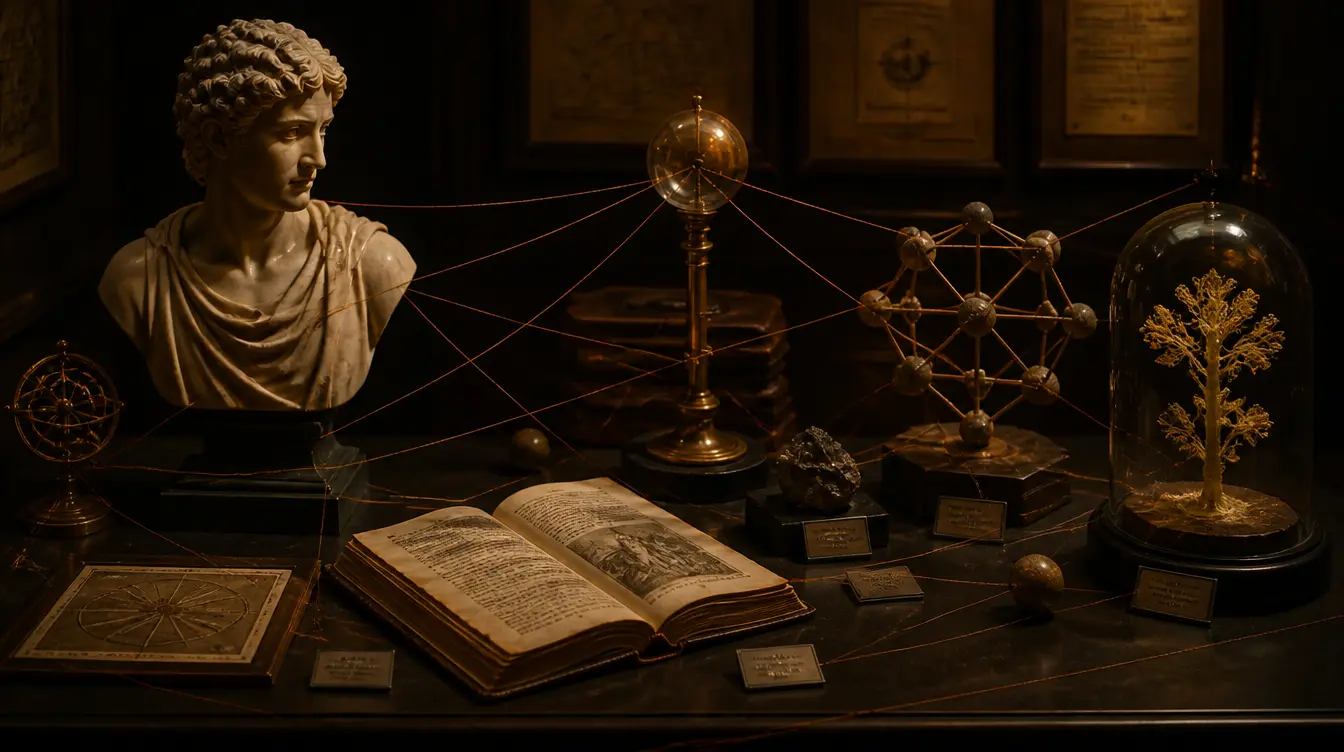
Knowledge also lives in simulations, recorded conversations, images, objects, and cultural archives. Explore widely, then keep the sources that continue to matter.
INTERACTIVE SCIENCE
Try the idea yourself
Interactive simulations can make abstract science and mathematics easier to explore.
PhET Simulations
Interactive science and mathematics simulations from the University of Colorado Boulder.
NOBOOK Chemistry
A browser-based virtual chemistry lab for exploring reactions and laboratory concepts safely.
AUDIO AND PODCASTS
Listen with attention
Long-form audio can be useful for history, science, philosophy, and ideas that benefit from more time.
Hardcore History, Dan Carlin
Long-form history series and related historical audio work.
Lex Fridman Podcast
Long conversations with guests from science, technology, culture, and philosophy.
Sean Carroll's Mindscape
Conversations about physics, complexity, philosophy, and related fields.
ART AND ARCHIVES
Look closely
Open collections make it possible to study art, objects, architecture, and historical material directly.
The Public Domain Review
Essays and curated works from the public domain.
Scan the World
Downloadable 3D scans of sculpture and cultural objects.
Smithsonian Open Access
Open collections of Smithsonian images, data, and 3D models.
Wikimedia Commons
A shared media archive with reusable images, video, audio, and other files.
UNDERLYING SOURCES
Read the source when you can
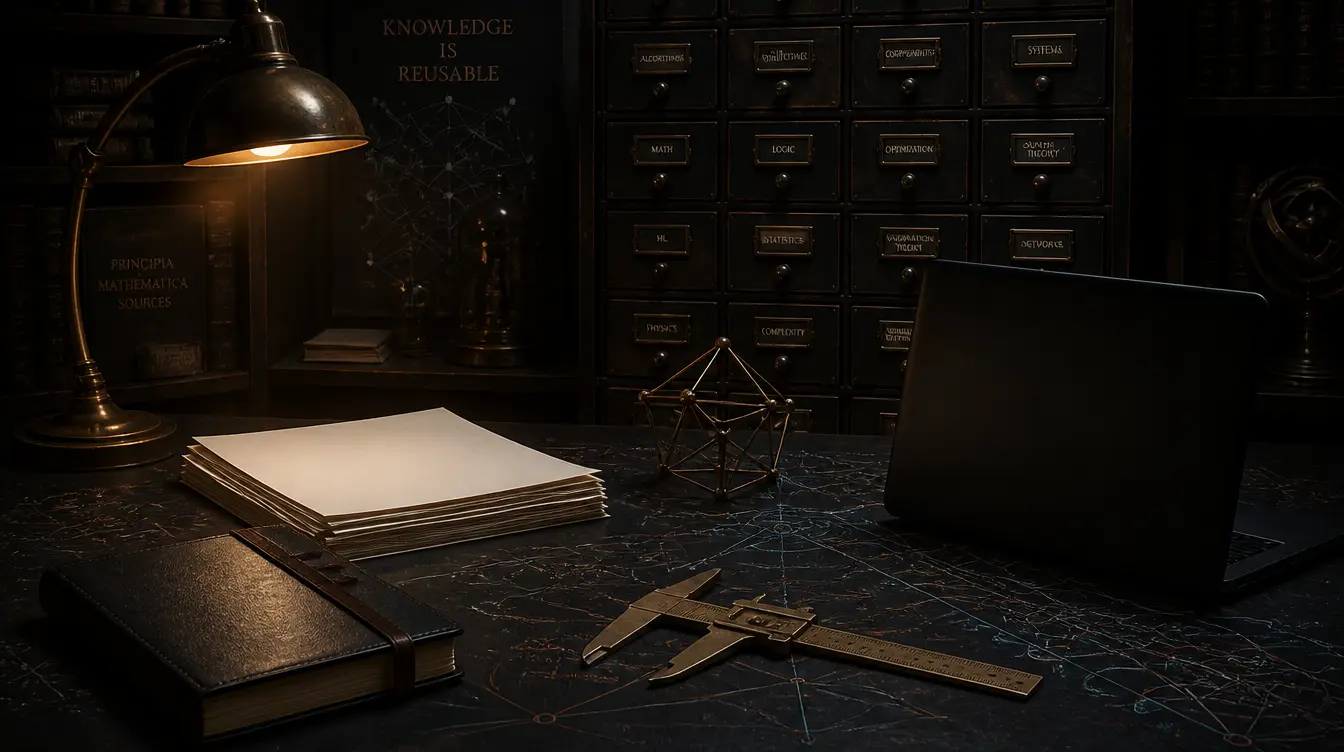
Articles can help you begin. Repositories, primary papers, documentation, and original collections help you check what is underneath.
REPOSITORIES AND PAPERS
Keep useful starting points
These are places to look for original software, preprints, and openly available technical material.
GitHub
A platform for hosting and collaborating on software projects and open-source code.
ArXiv
A repository of research preprints across physics, mathematics, computer science, biology, and related fields.
GitHub awesome lists
Community-maintained topic lists that gather useful tools, resources, and learning material.
Free programming books
A community-maintained collection of freely available programming books and learning resources.